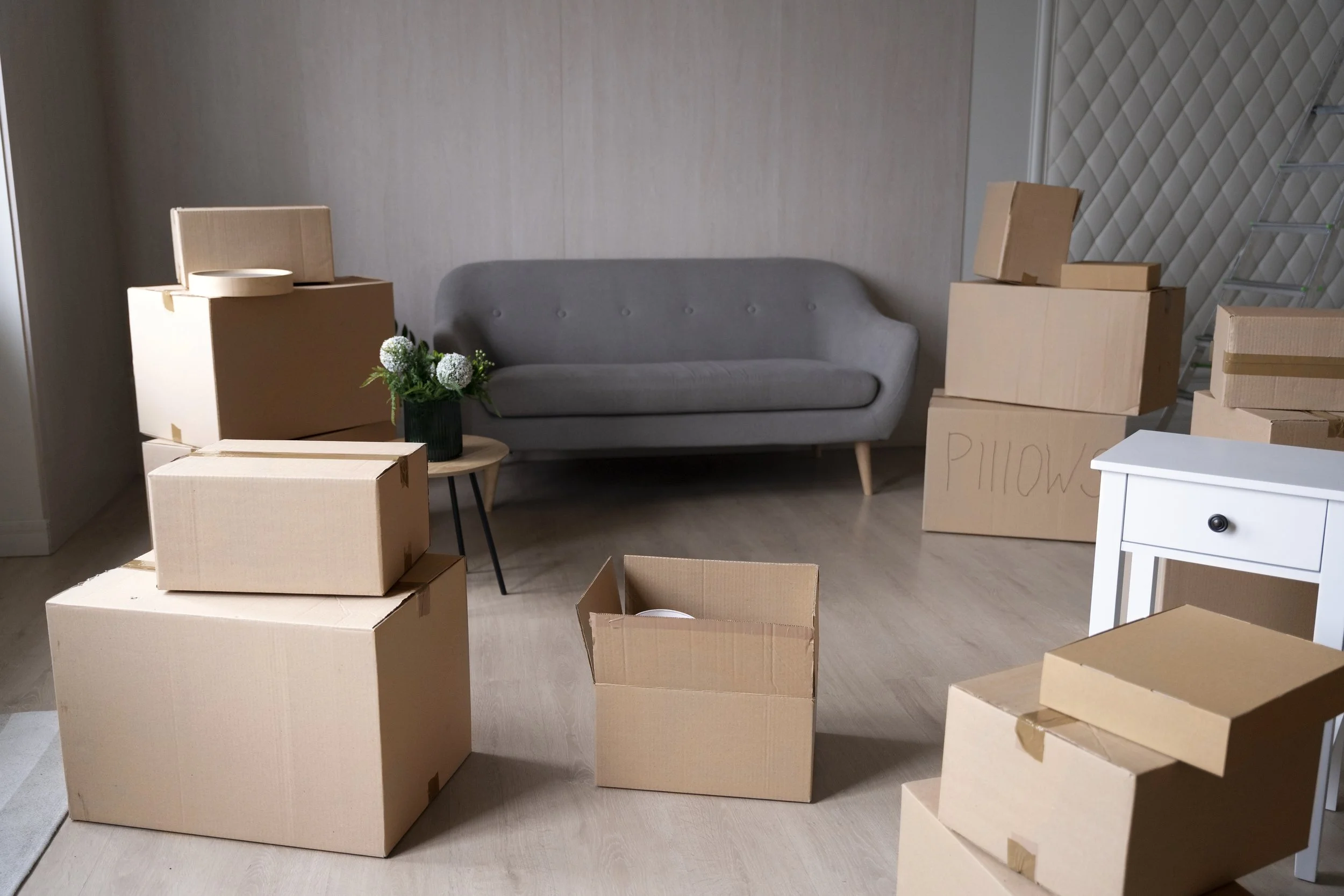

How To Pack Your Home For Moving Day
Packing for a move takes planning, patience, and a clear sense of what needs attention first. Before you begin sealing boxes, it helps to step back and figure out how you want the process to unfold. Some people handle everything on their own, while others bring in affordable moving services once the workload becomes too heavy. Either way, a bit of early preparation can make the entire transition feel calmer and more manageable.
Decluttering and Organizing
Start by going through each room with the goal of separating what you still use from what no longer belongs in your home. Taking it slowly helps you stay focused instead of creating piles you’ll dread sorting later. Set aside anything you no longer want so your packing load becomes lighter and more manageable. Once the space feels clearer, group your belongings in a way that makes sense to you so they’re easier to pack and unpack later. Keeping the items you’ll need during the move in one spot helps prevent those last-minute searches that tend to happen on moving day.
Creating a Packing Schedule
A simple schedule can keep the process from becoming overwhelming. Look at your home and decide which areas take more time and which ones can be packed quickly. Spaces that see little daily use are usually easier to start with, while places like the kitchen might need attention later since you use them up until moving day. Spread the work across several days and leave room for breaks, since trying to rush through everything often leads to mistakes. If you have friends or family offering help, make use of it so you can keep the pace steady without wearing yourself out.
Choosing the Right Supplies
Packing goes much smoothly when you have supplies that won’t fall apart once the boxes are full. Sturdy boxes in different sizes help you match the container to the item instead of forcing things to fit. Tape that actually holds makes a difference, especially on heavier boxes. Soft wrapping materials keep breakable items from getting scratched or cracked during the move. Labels or markers help you mark each box clearly so you aren’t guessing where things belong once you reach your new place.
Packing Room by Room
Working through one room at a time helps you stay organized and makes the space feel progressively more manageable. In rooms that include breakable items, wrap each piece with care so it won’t knock against anything during the move. Electronics should be packed with their cords secured and labeled so you can set them up again without confusion. Clothing can be placed in boxes or bags that keep things neat. Kitchen items tend to take longer, so give yourself enough time to wrap dishes and glassware individually. Setting aside a small box of items you’ll need immediately at your new place, such as toiletries, a few dishes, or basic tools, can make the first night far easier.
Labeling Boxes Effectively
Clear labels make unpacking feel far less chaotic. Marking each box with the room it belongs in gives you a quick way to sort everything once it comes off the truck. Adding a short description of what’s inside will save time later, especially if you’re looking for something specific before you’ve unpacked everything. Boxes that hold breakable items should stand out, so write the word clearly where it’s easy to see. If a box needs to stay upright or be handled with more care, note that in large, readable writing.
Handling Fragile Items
Delicate pieces need more attention than everyday household items. Wrap each one tightly so nothing shifts inside the box, and fill empty spaces with soft material to keep everything in place. Once packed, seal the box firmly and mark it so anyone lifting it knows to handle it gently. In the truck, these boxes should sit on top of sturdier ones where they won’t be crushed. Keeping them in a stable position during the drive helps prevent damage and gives you peace of mind when you unpack them in your new home.
Related Topics: