Advanced Packing Techniques for Fragile and Valuable Items in Oklahoma City
Most packing mistakes happen with the things people care about most. A stack of plates loosely wrapped in newspaper. A framed mirror standing upright with nothing protecting the corners. A TV dropped into a standard box with crumpled paper shoved around it.
Everything looks fine until the truck takes a hard turn. Detail-oriented movers who handle fragile and high-value items every week know exactly where packing jobs fall apart, and it is almost always the same avoidable decisions. Here is how to actually protect what matters.
Use the Right Box for the Item
Standard boxes work for books, clothes, and anything that can take a bump. For fragile items, the box itself is part of the protection.
Dish pack boxes are double-walled and built specifically for kitchen items. TV boxes are designed and reinforced for flat-screen displays. Wardrobe boxes keep hanging clothes protected and wrinkle-free. Using a standard carton for any of these categories is where things go wrong first, and it happens constantly.
If you're packing yourself, identify the right box type for each category before you start buying supplies. On Call Moving supplies professional-grade packing materials and specialty boxes when you use our packing services.
Wrap Each Item Individually
The most consistent packing mistake with fragile items is wrapping multiple pieces together. Plates stacked without individual wrapping. Glasses nested without paper between them. It feels efficient, and it leads to chips, cracks, and breakage almost every time.
Every fragile item needs its own wrap. Use unprinted packing paper, not newspaper, since ink can transfer to surfaces. Wrap from a corner, roll toward the opposite corner, and tuck the edges in. For glass and ceramic items, wrap twice.
Cushion the Bottom, Fill the Gaps
Start every box with 2 to 3 inches of crumpled packing paper or foam on the bottom before anything goes in. Heavier items go in first, lighter items on top, and the box gets another cushion layer before closing.
If there is any space between items, fill it. Gaps are where movement happens, and movement is where things break. A properly packed box should not shift or rattle when you pick it up and gently shake it.
Pack Plates Vertically
Most people stack plates flat inside a box. Plates actually travel better standing on edge, the same way you'd store records. The vertical position spreads force across the plate rather than concentrating it at one point.
Pack them snug enough that they hold their position, but keep padding between each plate so they do not make contact.
Protect Artwork and Mirrors Differently Than Everything Else
Corners fail first on framed artwork and mirrors. Apply foam or cardboard corner protectors before wrapping anything. After the corners are covered, wrap the piece in packing paper or bubble wrap.
Artwork and mirrors need to travel in picture or mirror boxes, not standard cartons, and they load vertically rather than flat. For anything with real monetary or personal value, ask about professional packing. These items need more than careful handling. They need the right materials from the start.
Electronics Need Anti-Static Protection
Bubble wrap handles most items just fine. For computers, hard drives, and sensitive electronics, bubble wrap is not the right material, as it can conduct static electricity and cause damage that may not be visible until you power the device back on.
Use anti-static bags and anti-static foam for anything with internal components. If the original box is still around, use it. Original packaging is designed for that specific product, and nothing else fits as well. Pull batteries before packing, and keep cables in a separate, labeled bag for each device.
Label Boxes With Handling Instructions
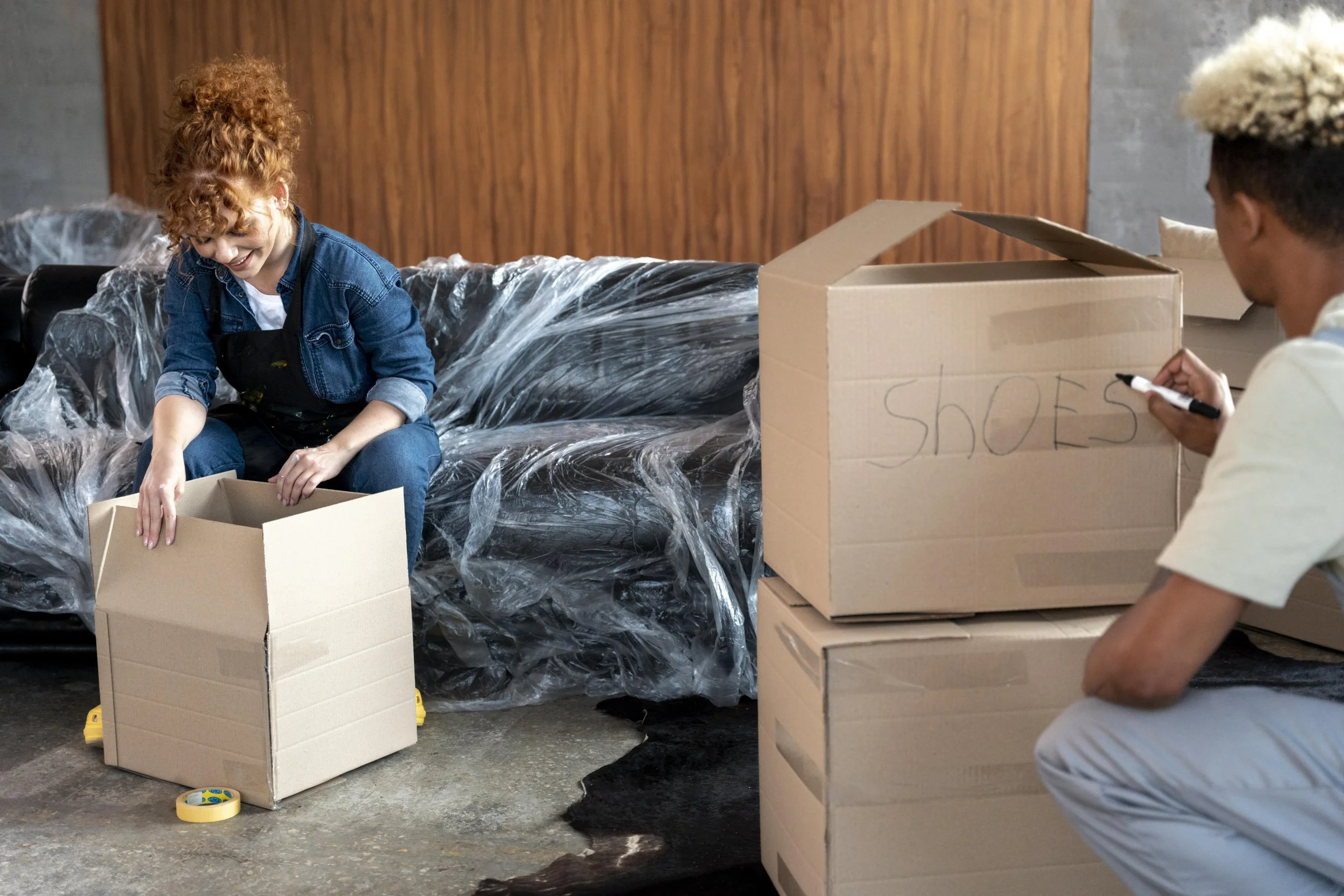
"Fragile" written on the outside of a box takes about 5 seconds and changes how it's handled. "This Side Up" on anything liquid or orientation-sensitive keeps it from ending up on its side in the truck.
Use a thick marker and write on at least two sides of every fragile box. If the label is only on one side, the box will get stacked with that side facing the wall. Labeling by destination room, as well,l speeds up unloading considerably.
Know When to Let Professionals Handle It
Some items are not worth the risk of packing yourself. Antiques, pianos, gun safes, large mirrors, and high-value artwork all fall into the category where a packing error costs significantly more than professional handling would have.
On Call Moving handles these items with the right materials and techniques. If you're not sure whether something qualifies, mention it when you request a quote, and the team will let you know what they recommend before anything is booked.
Related Topics: