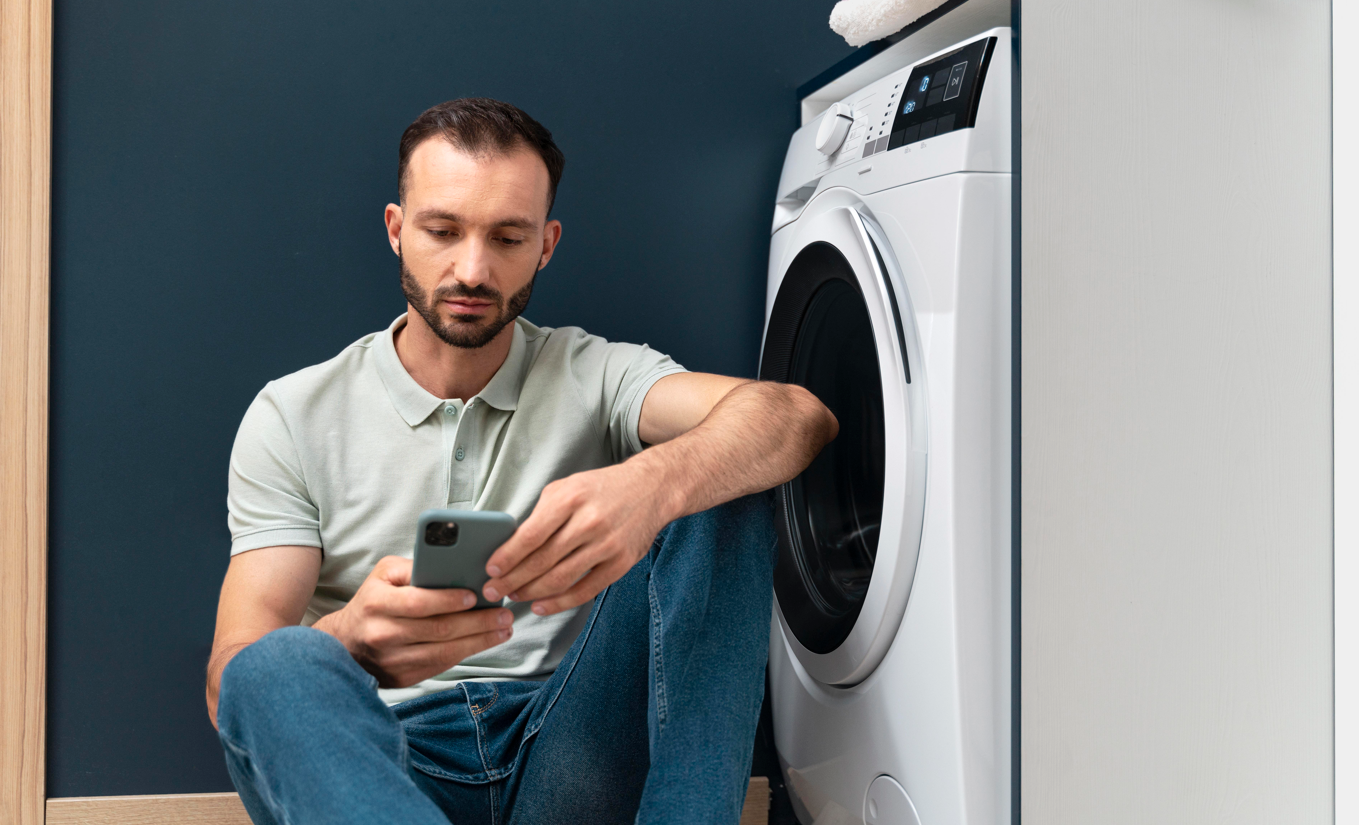
How to Move a Washer and Dryer When Moving
Moving a washer and dryer is okay, so it’s not impossible, but it’s tricky if you’ve never done it before. You’ll need a dolly, some straps, maybe a few blankets, and a couple of basic tools lying around. Unplug everything, shut off the water, and detach vents. It sounds like a lot, but a little prep now saves a lot of headaches later. Honestly, even just coiling the cords neatly can make the move less stressful. And if you can get help from the best moving company, trust me, it makes life way easier.
You also have to think about the path. Clear rugs, check doorways, and move a chair or two. Little obstacles can turn a simple move into a frustrating juggling act. I’ve done a few of these myself, and yeah, rushing usually ends badly. Take it slow, plan your steps, and double-check everything.
Gather Necessary Tools and Supplies
Before lifting a single washer or dryer, gather your supplies. A dolly or a hand truck is super helpful for moving heavy machines. Straps or ropes to hold them steady while lifting. You want to avoid that moment where everything slips, you know?
Blankets or pads will protect the appliances from scratches. A screwdriver or adjustable wrench is handy for disconnecting hoses and vents. Having everything ready first saves stress. There’s nothing worse than starting to move and realizing you forgot something small but critical.
Disconnect and Prepare the Appliances
Start by unplugging the washer and dryer. Turn off the water to the washer and disconnect the hoses. For the dryer, remove the vent. Coil cords and hoses neatly and maybe tape them lightly so they don’t flop around. It’s a little extra step, but it helps prevent accidents.
Give the appliances a quick wipe, too. Clear lint from the dryer, and wipe down the washer. If your washer drum can be secured, do it; it keeps everything from moving around and possibly getting damaged. Yeah, it’s a bit tedious, but it pays off.
Safely Move the Washer and Dryer
Before lifting, make sure everything is stable. Doors closed, drums secured, cords out of the way. Use straps or a dolly for lifting, and make sure you have someone helping. One person on each side usually works best.
Take your time. Don’t rush. Even a small bump or uneven floor can make a huge difference. Communicate with your helper, like “okay, tilt a bit more” or “watch that corner,” just like you would if you were carrying something heavy across a hallway. Moving these machines isn’t complicated if you go slowly and think ahead.
Load the Appliances Into the Moving Vehicle
When you get to the truck, take it slow. Roll them up the ramp or liftgate carefully. Secure them with straps or ropes to prevent sliding. Even slight shifts can damage the washer, dryer, or the truck interior.
Balance the weight evenly so nothing tips. And be mindful of turns or stops during transport, as they can cause the machines to move more than you expect. Double-check everything before closing the doors. Trust me, a little extra caution now saves a ton of stress later.
Unload and Reinstall in the New Location
Once you’re at the new place, clear the path and make sure doors and hallways are free. Use the dolly or hand truck to bring the appliances inside. Take your time moving them into position.
Level the machines so they don’t wobble or shake. Reconnect the water hoses and check for leaks. Attach the dryer vent correctly to avoid lint buildup. Finally, plug everything in and make sure the washer and dryer are grounded. It feels like a lot, but doing it step by step works best.
Test and Ensure Proper Functionality
After everything is in place, run a test. Start a wash cycle and watch for leaks or strange noises. Check the dryer to make sure it heats properly and that the vent is clear.
Try a few dryer settings to confirm they all work. If anything seems off, fix it before you start loading clothes. Testing now saves headaches later. It might feel like overkill, but it’s a small step that makes a big difference.
Related Topics: