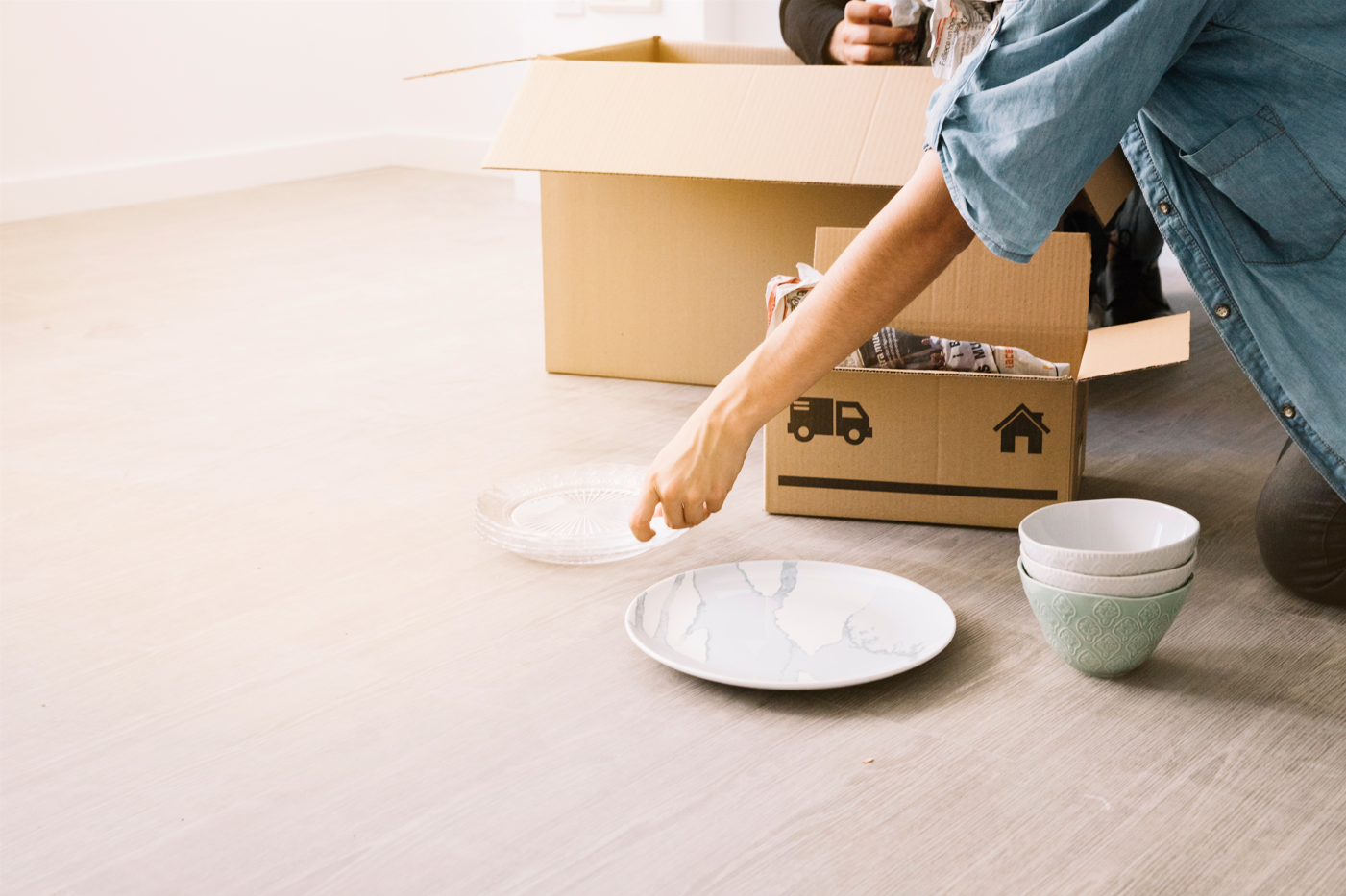
How to Safely and Efficiently Pack Plates for Moving
Packing plates for a move well, it’s one of those things that can get messy if you’re not careful. You need a spot with enough space, good lighting, and all your supplies ready to go. Bubble wrap, packing paper, sturdy boxes, tape, and dividers are the basics, and a marker for labeling helps later. I’ve learned that stacking plates snugly, wrapping them properly, and adding cushioning between each one can save a lot of headaches. If you want, having efficient movers around can also take some stress off and make the whole thing smoother.
It’s not just throwing them in a box. Think about how each plate sits, how the box will be carried, and whether anything could shift during the move. A little prep here goes a long way. Even double-wrapping your most fragile plates sometimes feels silly, but it works.
Gather Necessary Packing Supplies
First things first, gather all your supplies. You’ll need sturdy cardboard boxes in a few sizes. Bubble wrap is a must because it cushions everything. Packing paper or even a clean towel works for extra layers between plates.
Grab some packing tape to secure the boxes, and consider dividers to keep plates separated. These little inserts help prevent them from banging into each other. And don’t forget a permanent marker; it’s nice to label each box so you know which side is up and where it’s supposed to go.
Prepare the Packing Area
Next, set up a good space to work. Clear a table or countertop so you have room to move. Lay down a protective layer, like a towel or some packing paper, to avoid scratches.
Keep all your supplies nearby so you’re not running back and forth. Good lighting is also helpful; you don’t want to drop a plate because you can’t see clearly. Having a dedicated area keeps things organized and reduces stress while packing.
Stack Plates Correctly
When it comes to stacking plates, you want to think about stability. Start with some cushioning at the bottom of the box, like bubble wrap or foam pads. Stack plates vertically, like records, so the weight is spread evenly and less likely to crack them.
Make sure the plates are snug together, but don’t overpack. Leave no gaps, or fill them with extra cushioning. Small shifts during moving can really damage plates, so it’s worth taking a few extra minutes here.
Use Protective Wrapping Materials
Wrap each plate individually with bubble wrap or foam sleeves. Bubble wrap cushions against bumps, while foam sleeves help prevent scratches. If you’re using bubble wrap, keep the bubbles facing outward so they absorb shock better.
Tape the wrap securely, and for fragile or special plates, double-wrap if you feel like it. Cover edges and surfaces fully, as those corners are easy to chip. Doing this carefully means you’re way less likely to open a box at the other end and find a disaster.
Pack Plates in Sturdy Boxes
Pick strong boxes to put the wrapped plates in. Boxes designed for dishware or heavy items are best; they give extra support. Make sure the boxes are clean and in good shape; a torn box is no friend to your fragile dishes.
Add dividers or cardboard inserts to make compartments for each plate. This keeps them from bumping into each other during the move. Using good boxes with dividers is like giving each plate its own little seatbelt; it helps prevent breakage.
Label Boxes Clearly
Finally, label your boxes clearly so unpacking isn’t a nightmare. Write “Handle with Care - Plates” on the top and sides. You can also note the room it goes to, like the Kitchen or the Dining Room.
Some people use colors for each room, which makes it even faster to place boxes in the right spot. Clear labels save time and headaches later and help make sure your plates actually survive the move intact.
Related Topics: